Last month, I had a meeting with Jessica Mendoza, a dynamic leader of the largest progressive youth organization in the perennial battleground state of Arizona.
Every day, the organization she leads, the Arizona Students’ Association (ASA), goes toe-to-toe on campuses with Turning Point USA (which is in the process of hiring 320 voter organizers in Arizona alone).
Guess how many paid staff Jessica has?
“We had to lay off our staff,” she told me recently (shared with permission). “Yeah … We’ve all been working unpaid for the past six weeks … doing our best to keep organizing our campuses in Arizona ... hoping for some money to come in soon.”
ASA’s experience is not isolated.
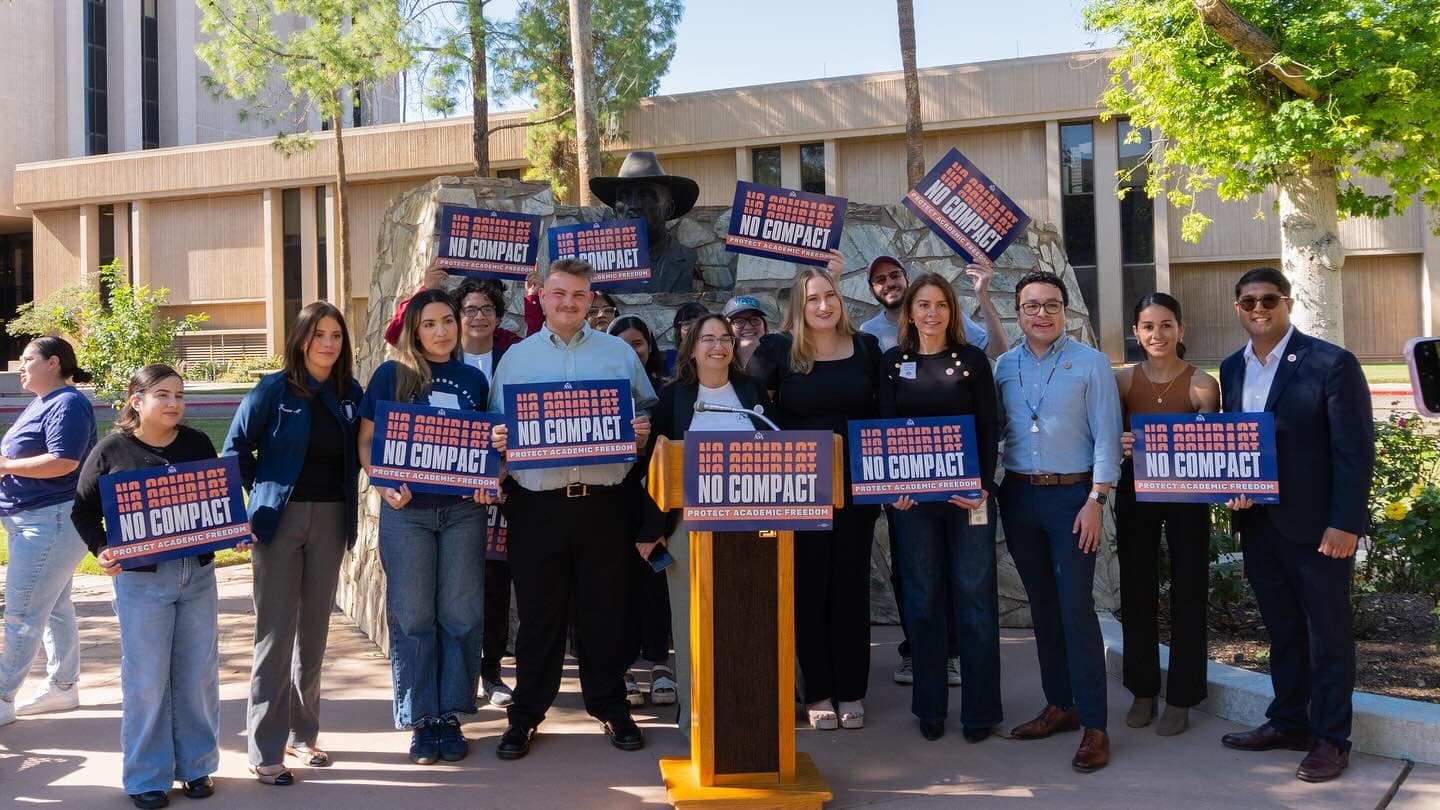
Photo: Arizona Students’ Association
Here is a small sampling of the many dozens of recent examples we are aware of:
Battleground Alliance is an inspiring campaign to flip the House in 2026 with more than 400 national and local partners. You would think Battleground Alliance would have all the money it needs — especially in the wake of the Supreme Court's Callais ruling and the return of Jim Crow-era gerrymandering. Nope. They’re only at 15% to budget. Their summer canvass and really smart relational “Know Your Neighbor” organizing program is launching in the coming weeks. Without adequate summer funding, they’re planning to scale back.
Candidates are getting money, but not the independent political organizations whose work could actually make up the margin of victory.
Ohio has one of the most competitive Senate races in the country — and has strong statewide organizations that are ready to absorb and deploy many millions of dollars in ground game, as they have in past cycles. But Ohio organizations have barely seen any election-related investment this year. “Where the hell is the money this cycle?” the head of a prominent Ohio organization asked with genuine bafflement. It’s the same story in many key Senate states. Candidates are getting money, but not the independent political organizations whose work could actually make up the margin of victory. The Senate candidates in Maine and Texas (Platner and Talarico) will inspire armies of grassroots volunteers. But in most other top Senate states (and even to some degree in Texas and Maine), the candidate campaigns are reliant on local grassroots organizations to run a massive ground game, register hundreds of thousands of voters, and serve as trusted messengers to engage skeptical voters.
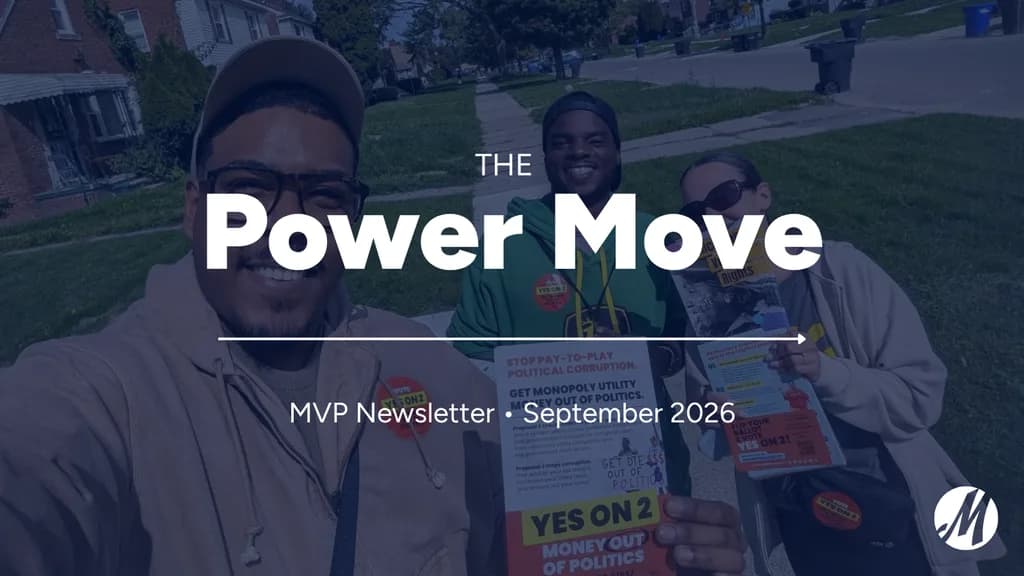
In Michigan, a large coalition spent months gathering signatures to qualify three progressive ballot measures. This “YES YES YES” campaign would have motivated voters and drawn a helpful contrast for Democratic candidates up and down the ballot this November. Last month, two of the campaigns (on minimum wage and school funding) shuttered due to a lack of funding. The remaining viable ballot measure is a wildly popular anti-corruption campaign known as Michiganders for Money Out of Politics (“MMOP” or “Mop-Up Michigan” for short). It polls at 80% and has a massive volunteer-led signature-gathering team. Due to its cross-partisan appeal, it will likely cost less than half as much as a typical ballot measure. Even so, MMOP has almost had to shut down multiple times due to a lack of funds. Five of its anchor grassroots organizations have had to lend money to the ballot committee out of their own limited budgets in the final stretch.
None other than the mighty No Kings coalition was calling funders the day before the largest single day of protest in U.S. history.
Across the board, we are hearing these stories. Even the most well-known and highly respected national organizations are struggling for funds. None other than the mighty No Kings coalition was calling funders the day before March 28th, scrambling to close major budget gaps for what would soon draw 8 million people to the largest single day of protest in U.S. history.
Again, these are just a few examples of important and strategic organizations struggling to raise money. There are hundreds of smaller organizations like ASA. In terms of funding, we have a systematic problem.
Where are the funders?
One of the great triumphs of funders on the right is that — in the political wilderness of the Obama years, as they stared down the spectre of demographic shifts that spelled impending political doom and irrelevance — they invested very big, very long-term, in a very disciplined way in bold leadership and experimentation to fix their weaknesses (with young people, communities of color, and working-class voters). This allowed them the abundance of resources to pilot long-term, risky, and asymmetric strategies like Turning Point USA and Prager U that have paid nonlinear dividends over time.
Real talk: With notable exceptions, big funders on the right are acting in a way that is smarter, more committed, and more strategic than most of the biggest funders on the progressive side (both the left and center-left).
In my role at Movement Voter PAC (MVP), I am reminded daily of the scarcity of funds in the progressive ecosystem right now. I see many of our leading state and national organizations operating from a position of financial constriction at precisely the moment when we most need them to boldly swing for the fences and test new ways of organizing and communicating.
Most organizations we partner with have shrunk their payrolls.
In the wake of our 2024 drubbing, 2025 should have been a huge year for R&D, strategic gatherings, and testing new strategies. Instead, anecdotally at least, it was the lowest funding year for the civic engagement field since at least 2019. Many in the field had hoped this trend would turn around in 2026, but to date it has not. As an example, MVP raised significantly less than our goal in the first quarter. We have been asking around and heard similar stories from many of our allies. On average, I’d estimate that most organizations we partner with have shrunk their payrolls by between a quarter and a half in the past few years.
So once again, I am sending up a “Bat Signal” (as I did in 2023 and 2024) to raise a red flag for funders that many of the most important organizations in the field are not anywhere near on track to raise the levels of resources they need to run the programs we need them to already be running in 2026. It’s not very fun to have to break the same emergency glass and pull the fire alarm over and over again. I cried wolf. A wolf came and is terrorizing our village. Now I’m pulling the alarm again to say: “We have a chance to get rid of the wolf! Let’s do it!” I had hoped the direness of our political situation would do most of the work of raising the money this cycle. It hasn’t.
To some degree, the sense of existential panic seems to be working for Democratic congressional candidates who raise money from the general public. But it hasn’t translated to organizational funding, which is more dependent on sophisticated donors who understand the less-flashy importance of year-round independent political organizing. MVP and our allies and partners have tried a lot of approaches to make the case to donors: Logic. Empirical evidence. Return on Investment (ROI). Inspiration. Longitudinal impact. Storytelling. Existential threats. We’ve tried everything we can think of. I honestly don’t know what else to do. Maybe there’s a better way to frame the crisis/opportunity to motivate larger numbers of sophisticated donors to give in larger amounts. We’re trying everything we know how. Clearly it’s not enough.
Thought experiment: What would you say to persuade someone to invest bigger and more proactively and consistently in strategic political change?
And to turn the question around: What would it take to motivate you to commit at a higher level?
We’d love to hear your suggestions!
Why did funding dry up?
2020 and 2024 were high-water marks for progressive political funding. There are myriad reasons for the drop-off since then, in addition to the cyclical nature of election-related funding.
Many donors became disillusioned in the wake of our devastating loss in 2024. Donors felt burned by the Democratic Party and its allied organizations and questioned the efficacy of the entire aligned ecosystem of organizations.
Many funders have tragically pulled back, similar to law firms and universities, for fear of reprisal.
Many turned their attention to the symptoms and immediate crises that our election loss caused or deeply exacerbated: global poverty, health, immigration, food security, education, constitutional rights, abortion access, hate crimes, and more.
And frankly, a lot of funders got depressed, had an existential crisis, or turned their attention to areas of their lives where they could find more happiness and hope.
After 2024, many funders turned their attention to the symptoms and immediate crises that our election loss caused or exacerbated.
All of this is totally understandable on a human level, but it is not very strategic in terms of fundamentally improving the situation. Kind of like scooping water out of the ocean: tangible and emotionally satisfying, but ultimately a Sisyphean task.
Finally, some donors pulled back for a really good reason: sunsetting or spending down. Many of the most committed donors took the threats seriously in 2020 and 2024 and heroically made their biggest investments ever — at levels they did not have the capacity to repeat. Those donors are extraordinary. They did a great thing that made a difference (even in 2024, Democrats narrowly won four Senate races without which we would be in an almost irreparably worse place). We should celebrate bold donors who made strategic plays at critical moments (one day, we should create a Movement Museum with a wall of appreciation to thank everyone).
Regardless of the reasons, a lot of the money for the most strategic and effective types of political change has disappeared.
I’ve heard many donors express a puzzling juxtaposition of extreme fatalism (“everything is doomed”) with extreme political optimism (“we should do well in the midterms.”) What both perspectives have in common is the removal of agency from ourselves as people who have the ability to make a difference in history — as agents of change with our time and money. In one story, there is nothing we can do: Our current situation and future are irreparable. In the other story, there is nothing we need to do: Thermostatic political dynamics will save us — the pendulum swinging back and forth — like a driverless taxi, ferrying us inexorably to a political outcome. Both stories relegate us to NPC (Non Player Character) status, possessing neither power nor responsibility over our own fates.
Is either of these stories true? Of course not. Ordinary humans have dramatically changed the course of history over and over again — often in unexpected ways. There is a very long list of examples of extremely close results in U.S. elections that have determined our trajectory as a nation — for good and for ill. As a recent example, control of the U.S. House was decided in 2024 by less than 7,000 votes across three Congressional districts!
2026 and 2028 will likely feature similarly close margins. The most likely scenario is that we will fight to a near-draw, with unimaginably large consequences dictated by a handful of votes in a handful of states and districts. This is no way to run a freakin’ country! But here we are. Right-wing billionaires (and centa- and deca- billionaires!) are extremely clear about the stakes and efficacy of investing in political change. The NYT recently reported on the 5:1 ratio of political spending by Republican vs. Democratic billionaires. They have been shamelessly buying up both the media and the political process for a long time — and now they’re trying to buy organizing too.
If donors were to re-allocate 2-3% of our funding from charity to strategic political and systemic change, it would be a win-win.
We don’t need to match them dollar for dollar. But we do need to raise enough to be competitive — which we can totally do if (and this is a big if) we invest a fraction of the roughly $300 billion that liberal donors spend each year on charity (The math: Charitable giving was almost $600 billion in 2024; we can reasonably assume half of that is from liberal-leaning donors). If liberal and center-left donors in the aggregate were to re-allocate just 2-3% of our funding from charity to strategic political and systemic change, it would be a win-win: Not only would we have a much better and less terrible government, we would also have significantly more money for all of the very good causes that we all want to see funded.
In short: Government funding (when it’s not being gutted by rapacious autocrats) eclipses private charity — and it should! A lot of charitable giving supports important work, especially right now, but it can only ever be a band-aid. The problem is that political change is big, abstract, and non-linear. It’s not touchy-feely. There are more steps in the logic chain. But the difference in aggregate ROI isn’t even close. So, at some level, we have to decide: Are we more interested in the warm fuzzy feeling of giving to a heartwarming cause that we can see, feel, and touch up close? Or are we willing to do what it takes to achieve results on a scale that is more than a drop in the bucket in a country of over 340 million people?
Think about all the major donors who have spent decades diligently funding education, human services, arts, medicine, environment, and global health. How have those investments panned out under Trumpism? The relatively unstrategic nature of most charity and philanthropy in our current age is an uncomfortable and upsetting thing to talk about. But we have to talk about it. A fundamental change in philanthropic strategy is needed. And frankly, the vast majority of liberal donors aren’t going to change. So what we’re really talking about is not everyone shifting 2-3%. To achieve a 2-3% shift in the aggregate, we need a small number of visionary and strategic people to shift their giving by 50-100%. We need a larger concentric circle to shift by 10-50% and so on.
The amount of money that liberal donors spend on charity every year is approximately 50-100 times as much as we spend on politics.
Why shift funding from other nonprofits, you say? Isn’t that just an awful thing to do? Shouldn’t the real goal be to shift some of the giving from the most overfunded candidate campaigns and TV ads? Sure — that too. But candidate and party activity on the Democratic side is only $5-10 billion per election cycle. And arguably, many aspects of Democratic politics are underfunded as well – like paying state Democratic Party chairs (which are typically volunteer roles) so we can build strong state parties and retain talent a la Ben Wikler in Wisconsin.
The amount of money that liberal donors spend on charity every year is approximately 50-100 times as much as we spend on politics. Charity — not politics — is where the real money is! I realize it sounds cold-hearted to say: please divert funding from other types of nonprofits to strategic political work (including community-based political organizing which is a twofer!). I hate to say it. But if we ever want to get our country out of this mess, we have to make tough choices about what it’s going to take to actually have a decent country (that invests hundreds of billions in things like education, housing, food assistance, clean energy, and health care instead of ICE, prisons, and wars). This is the uncomfortable conversation we have to have.
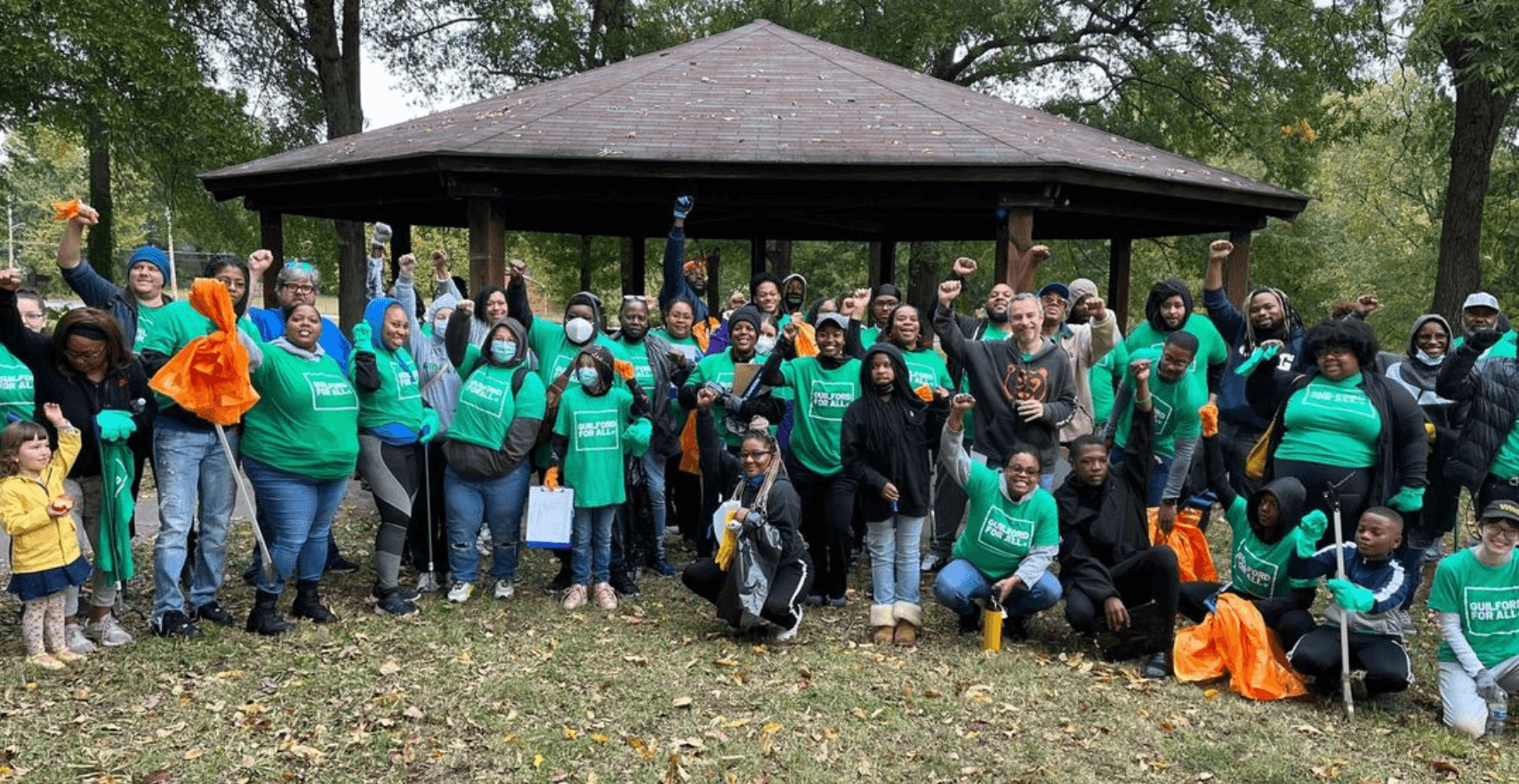
Photo: Carolina Federation, a core MVP partner in North Carolina.
So what is the political strategy?
For starters, the best way to protect the Presidential election in 2028 — and the future of everything we care about — is to rack up as many wins as possible in 2026.
The best way to protect the Presidential election in 2028 is to rack up as many wins as possible in 2026.
And it’s not just about whether we flip the House or Senate this fall (though, of course, either one would be a huge game-changer). Each additional seat can have an exponential impact on hundreds of millions of people’s lives. Democrats controlling 216 House seats vs. 217 vs. 218 vs. 219 can be determinative.
Ditto for the Senate. For the record, since early 2025, MVP has been predicting that the 2026 Senate map will be competitive. We’re glad that conventional wisdom has finally caught up. The difference between Democrats controlling 47 vs. 48 vs. 49 vs. 50 vs. 51 vs. 52 vs. 53 vs. 54 vs. 55 Senate seats (in the wildly optimistic scenario that we run the tables and flip NC, ME, OH, IA, TX, AK, plus two more dark-horse seats like NE, MT, MS, KS, or FL) is a big deal. The difference in gradients could mean the difference between governing effectively vs. being ruled by fools, grifters, and autocrats. Not just for the next two or four or six years, but for decades of court appointments and downstream effects.
Democratic power in blue states is the only reason the redistricting war has not been even more of a bloodbath.
Same goes for state-level races. How many chambers will we flip? How many trifectas will we win? Red-state gerrymandering is only possible because the GOP has made a concerted effort to win state power. After Obama’s 2008 election, GOP operatives launched REDMAP, a $30-million plan to flip state legislatures just in time to rig congressional and legislative maps after the 2010 census. It worked: In 2010, Republicans picked up 675 legislative seats and 20 state chambers, gaining control of 25 legislatures and the power to redraw 67% of swing House districts. 16 years later, we are still paying the price for failing to counter them back then (shout out to the States Project and States Win that are doing it now).
On the flip side, Democratic power in blue states is the only reason the redistricting war has not been even more of a bloodbath — and this power has already paid dividends in our ability to actually improve people’s lives. When our partners helped win a trifecta in Minnesota in 2022 by a mere 1,024 votes, they passed the most incredible legislation of every kind since the New Deal (if you haven’t seen this video, you have to watch it!). Will we win back Minnesota and Michigan? Could we pick up Nevada, Arizona, Wisconsin, Alaska, and Pennsylvania? Could we have a totally unforeseen shocker in another state, or fall just short due to lack of investment? Same with Attorneys General, Secretaries of State, County prosecutors, local election officials, and other consequential races.
Everything is on the table right now, with Trump’s approval in the 30th percentile, a 2:1 Democratic enthusiasm advantage, and a consistent 13-point edge for Democrats in special elections over the past year. And we may not yet have hit the floor in Trump’s support. If he and his henchmen keep going on this trajectory, we could outperform even our own wildest hopes and dreams.
Will we take advantage of it?
Or will we fumble on the 1-yard line due to a lack of resources?
In the immortal words of Eminem: Look, if you had one shot, one opportunity, to seize everything you ever wanted… in one moment… would you capture it, or just let it slip?
The electorate in 2026 is likely to be more favorable than it will be in 2028 — and possibly any year soon to follow.
The good and bad news is that the electorate in 2026 is likely to be more favorable than it will be in 2028 — and possibly any year soon to follow. A Democratic U.S. Senate candidate could pull a squeaker in Maine, Ohio, Alaska, or Iowa by 5,000 votes this year, while the same candidate would get trounced in 2028, when a larger and by definition less-engaged (and therefore, sadly, more GOP-leaning) set of voters casts their ballots. A locally organized ground game could literally be what gets us over the finish line in those tipping-point races.
As organizers and donors, we are like a bicyclist with the political wind at our backs right now. Setbacks in the courts notwithstanding, the worse things get, the more desperate people are for change. We need to seize this moment and let the wind carry us as many miles as possible — right now — before the wind changes direction.
Given the favorable political dynamics of this midterm, it’s like we have wandered into the biggest Going Out of Business sale we are likely to have for a very long time. Everything is on sale — 80% off — a fraction of the retail cost! This offer ends soon, so we need to arrive early, clear off the shelves, and squeeze out as many political bargains as we can while the sale lasts.
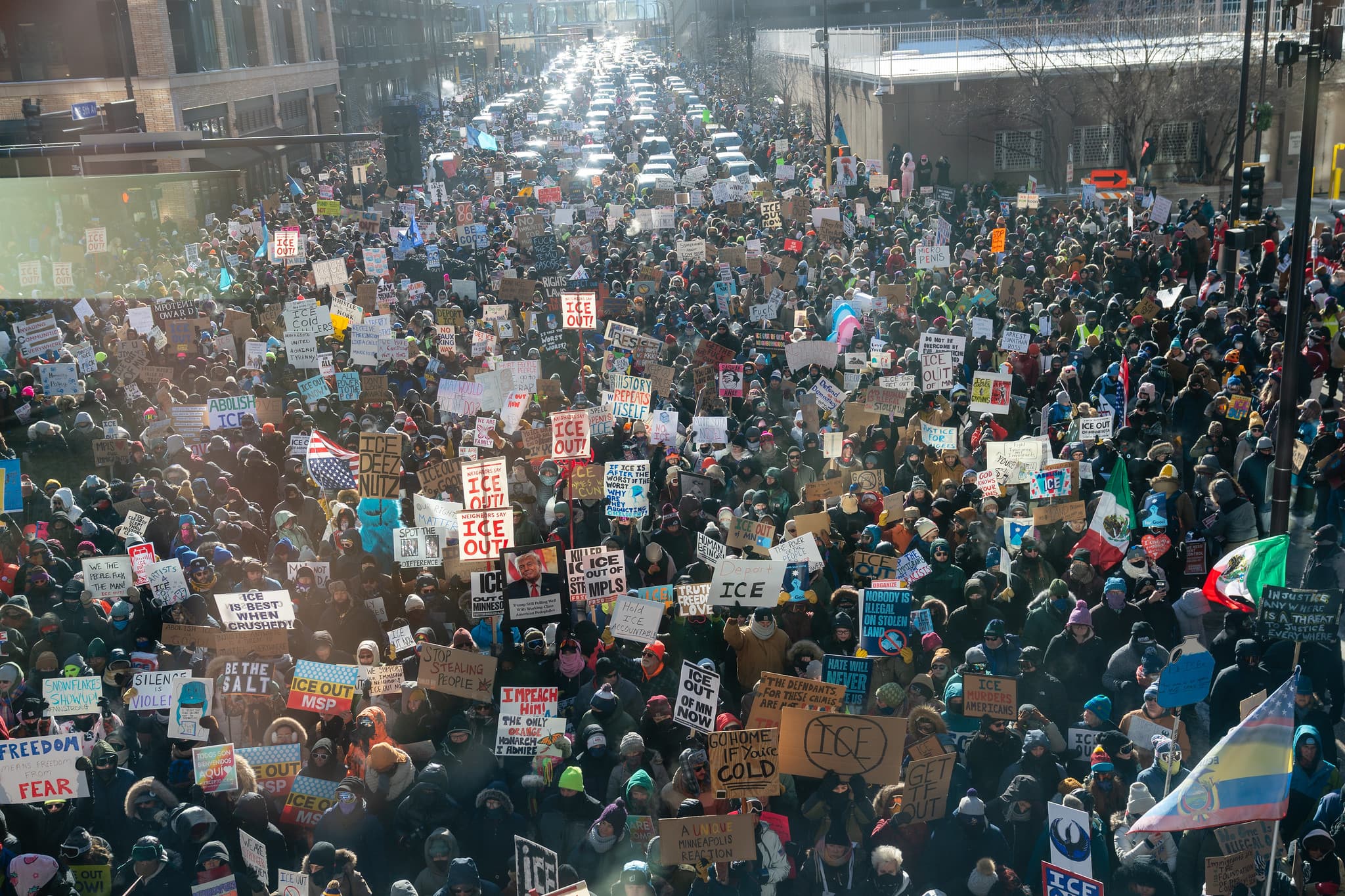
Photo: “ICE Out” march in Minneapolis in January 2026. (Photo credit: Lorie Shaull)
Minnesota to the Midterms: We Need a BIG PLAN
On top of everything, 2026 is no regular election. We already know that the Trump regime will do everything it can to disrupt, sabotage, and subvert the results. 2020 was a rehearsal. Minnesota was a test run (which went less smoothly than planned). From unprecedented mid-cycle racist gerrymandering to manufactured narratives about supposed voter fraud, to defunding election observers, to using ICE to intimidate voters, they have been laying the groundwork for years. We have to respond with the same strategic focus, intensity, and coordination. And we have to do it on top of everything else we are doing to generate the largest voter turnout in history to create a victory that is “too big to rig” (as Hungary’s elections recently demonstrated!). The opportunities in 2026 are enormous. So are the challenges — and so must be the investments we make to overcome them.
We are working with partners to develop what we call the BIG PLAN to harness the massive civic energy from Minnesota to the Midterms — to make the election too big to rig and meet this unprecedented moment of democratic peril with an unprecedented level of joyful resistance and organized people power.
We can do this!
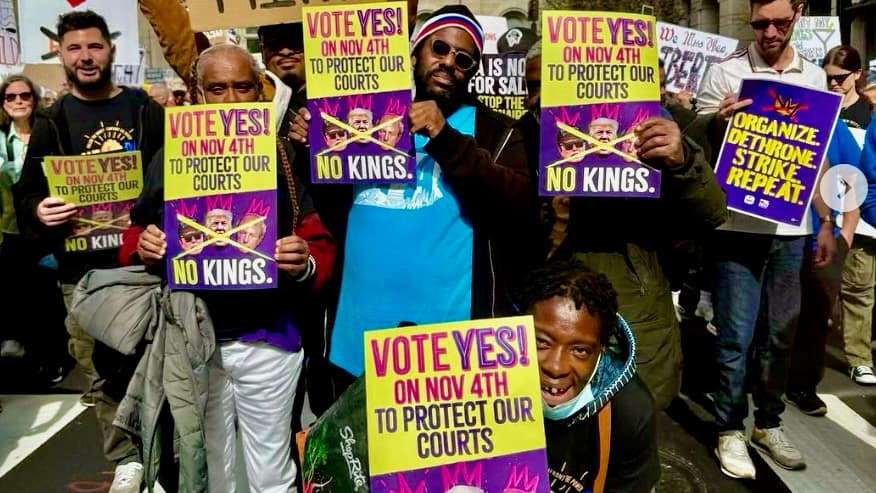
Photo: One Pennsylvania at a No Kings rally urging voters to vote “Yes” in state Supreme Court retention elections in 2025.
Project 2033: The J-Shaped Path Out of Authoritarianism
Beyond the 2026 midterms, MVP and our allies are thinking about our political trajectory in at least a four-election-cycle commitment.
We need to think past the immediate election to ask a much larger question: How do we adapt our movement to uproot the kudzu vines of authoritarianism before they blot out the sunlight and strangle us?
Our goal should not simply be to restore the broken system we had before, but to build a democracy that is more representative, more effective, and more capable of delivering real results for people.
As my colleagues at MVP have synthesized from scholars of authoritarianism, there are three basic paths forward from our current trajectory:
- An “L-shaped” path where a nation never makes it back to previous levels of democratic practice — and may even slide further down.
- A “U-shaped” path where democracy is restored more or less to its previous state.
- A “J-shaped” path where democracy bounces back stronger than before.
Our goal should not simply be to restore the broken system we had before, but to build a democracy that is more representative, more effective, and more capable of delivering real results for people: a J-shaped path!
This is, at minimum, a four-cycle project (2026-2032).
Here’s an overview of those four cycles — if we (collectively) play our cards right:
2026 - Win Back Congress: Make Trump a Lame Duck
Goal: Win Congress. Put a check on Trump. Win as much state-level power as possible and model state-level progressive governance.
2028 - Win a Trifecta: Advance a Bold Agenda
Goal: Win a federal Democratic trifecta and govern boldly in 2029.
2030 - Defy the Odds and Shape the Maps for the 2030s
Goal: Minimize losses in the midterms. Draw fairer legislative and congressional maps to deliver a durable progressive agenda in the 2030s.
2032 - Win on New Maps + Make the 2030s a Decade of Rebuilding
Goal: Win on new maps. Govern boldly. Advance state and federal policy, and make the 2030s a decade of repairing the damage of the Trump era, rebuilding stronger foundations for our democracy, and rebooting a progressive agenda.
In short: We have to win everything we can in 2026 — unfortunately, the most advantageous cycle we'll have in a long time. We have to win the presidency and a governing trifecta in 2028. We have to use the trifecta well in 2029. We need to mitigate backlash in the 2030 midterms. If we can survive that three-ring obstacle course, we have a decent shot at helping our country recover from this terrible chapter in history. And we have a fighting chance to steer ourselves in a more positive direction over the course of the 2030s.
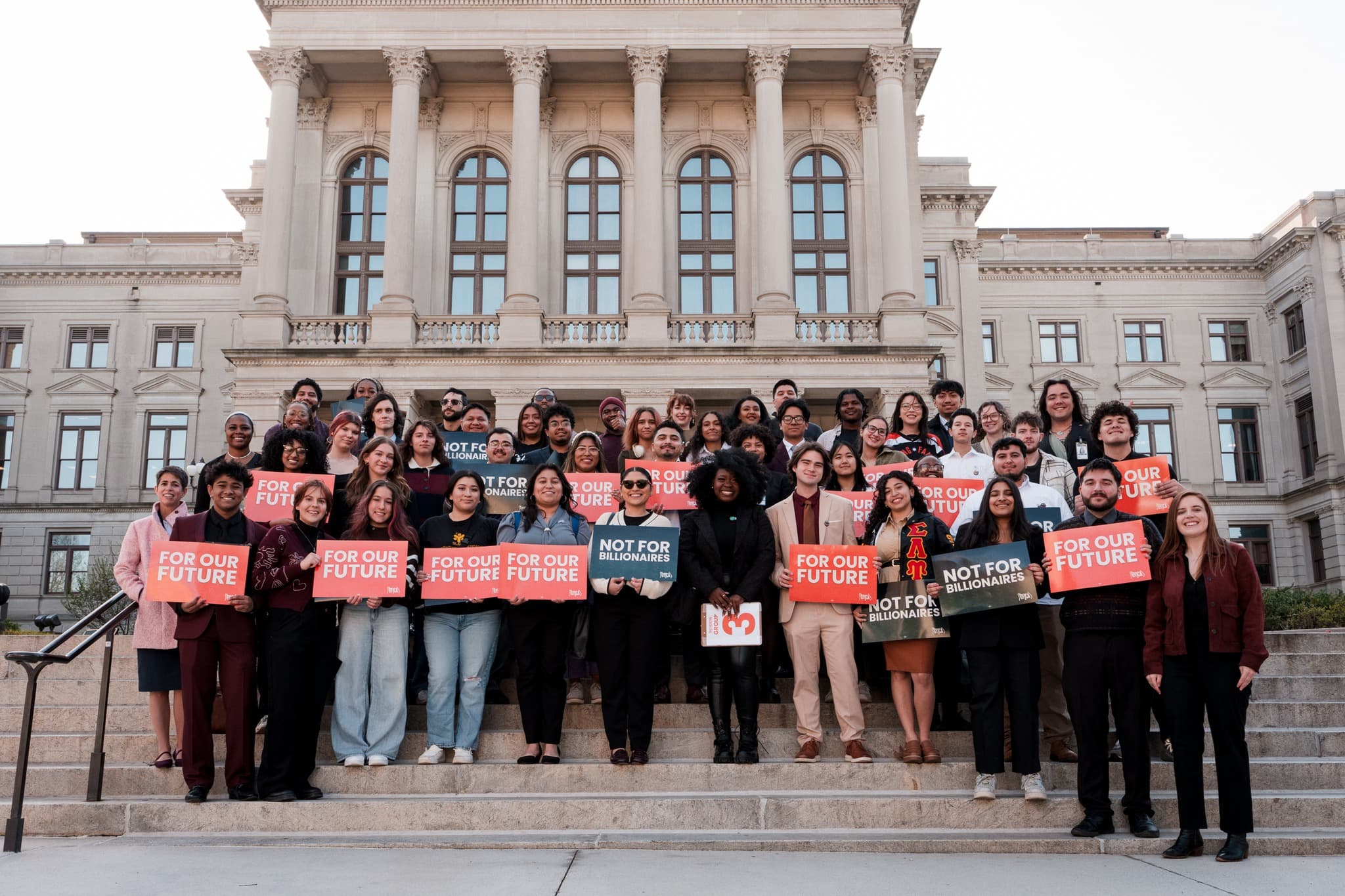
Photo: Georgia Youth Justice Coalition
Our North Star: Make the 2030s a “Rebuild Decade”
Note: We’re no longer likely to make the 2030s an amazing progressive decade. Sure, we should work toward it however we can. But at this point in history, making the 2030s a decade of rebuilding seems like a more realistic goal to aim for. Let’s not kid ourselves — given the very real threat of triple-dip authoritarianism, rebuilding from this is going to take everything we’ve got.
If we win a federal trifecta, 2029 could be our best chance yet to pass sweeping systemic reforms.
This doesn’t mean we need to lower our ambitions. In fact, if we win a federal trifecta, 2029 could be our best chance yet to pass sweeping systemic reforms. Let’s go for it! At the same time, as donors, we need to be clear, starting now, that building the country we need will require sustained investment in grassroots power building over many election cycles to come.
Just because we may not fulfill all of our wildest political dreams in the next decade does not mean we should not be inspired and motivated by the task ahead. It is simply a fact that our country has endured an incredible amount of damage in the Trump Era. I wish we could skip over the part about repairing that damage and get to the “good part” about passing our progressive wishlists. We have to do both at once. We have to do a tango of simultaneously raising our expectations and moderating them.
Most liberal donors still think of their politically related giving as a side project. This is based on an outdated view of how the world works. We had a post-war consensus and Pax Americana military and economic order, which allowed most affluent, liberal-minded Americans to take for granted a certain level of norms and political stability. In the good old days of 10, 20, or 30 years ago, liberal donors could afford to focus on a passion project, an issue, or a community that we cared deeply about.
We no longer live in a world where we can afford to think of political change as a side project.
Unfortunately, we no longer live in a world where we can afford to think of political change as a side project. Whether we like it or not, strategic political change has to become the singular focus of our collective efforts. As we have learned the hard way over the past 16 months, everything we care about — from education to health to climate to human services — will be washed away in a tsunami of destruction if we don’t put our shoulders to the grindstone and get the political life of our country into a more decent place.
Like it or not, this isn’t someone else’s job.
Investing in saving our democracy is not a perfect science — any more than investing in education or the arts or medicine – or the private sector, for that matter. The beautiful thing about investing in politically strategic giving is that it can be married with almost anything else you care about. Care about the arts? Education? Science? Food security? There is always a creative way to fund both your passion and strategic political change at the same time. One of the things that right-wing donors and groups like Turning Point USA and PragerU are so masterful at is that most of their propaganda and organizing is funded with tax-deductible nonpartisan money, not even political money.
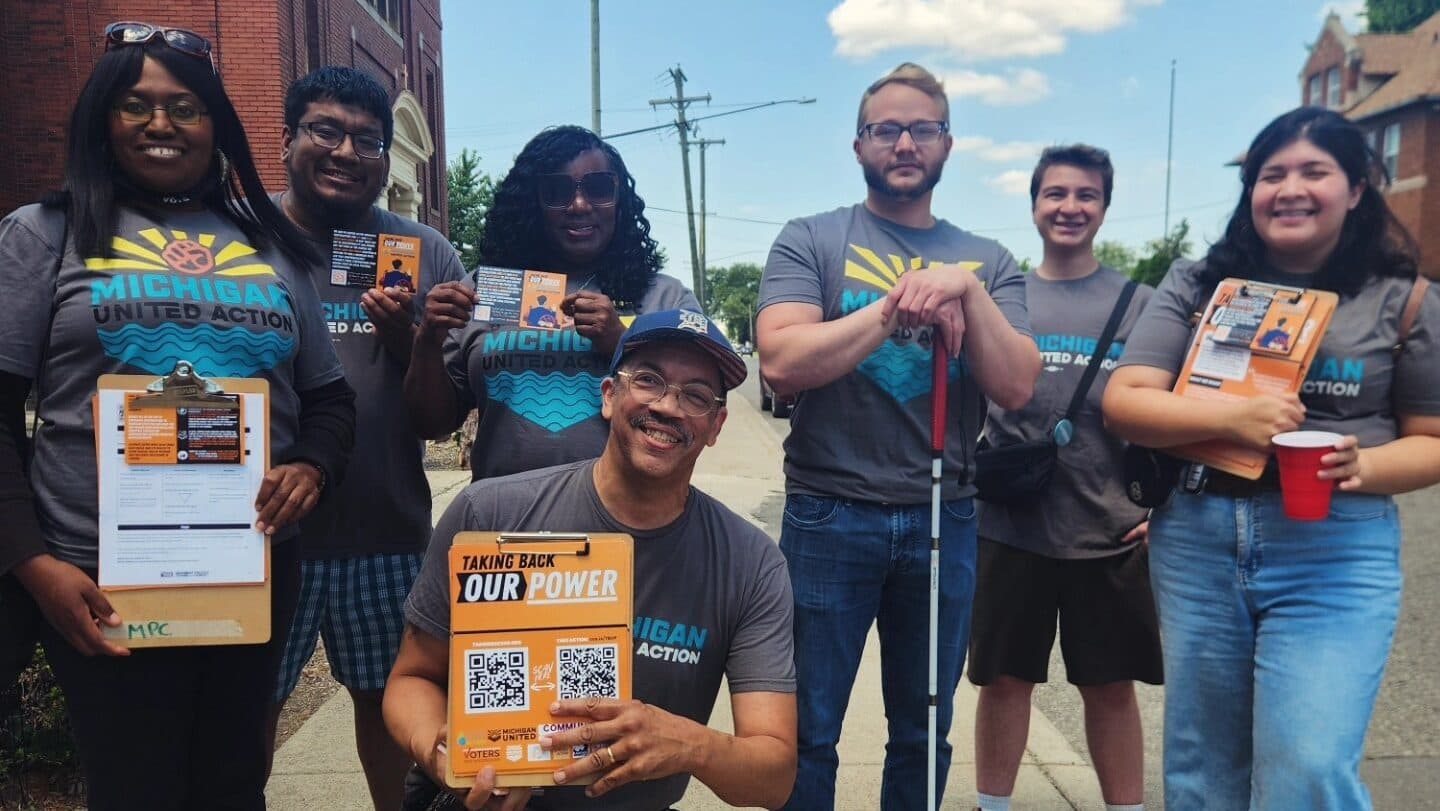
Photo: Michigan United Action
Stop Waiting for a Savior
I hear so many intelligent people essentially saying: We need a leader — presumably whoever wins the 2028 Democratic Primary — to guide us … someone like (by turns) AOC or Warnock or Talarico! As much as we love our leaders and draw inspiration from them, waiting for political leadership is an extremely unhelpful mental model for how to create change. With all due respect, it’s kind of a juvenile perspective, like imagining that our parents are going to show up and magically make everything ok. Stop waiting for a savior. No one is coming to save us.
“We are the ones we’ve been waiting for” has been a helpful go-to slogan at times like these when leadership from the top feels lacking. But what does this phrase actually mean? It means we have to take responsibility and ownership for doing our part to solve the damn problems, just like we would for any problem in our lives. As a parent, I often think about situations through the lens of my children.
Raising a child, educating them, and helping launch them as a contributing member of society is an extremely difficult task that takes decades. No one in their right mind would attempt it. Yet somehow, billions of ordinary parents manage to find a way. Parenting requires extraordinary commitment and sacrifice for many years to accomplish something that none of us can ever be adequately prepared for. Yet most parents will tell you that the extraordinary effort (and enormous cost!) required to raise a child is worth it.
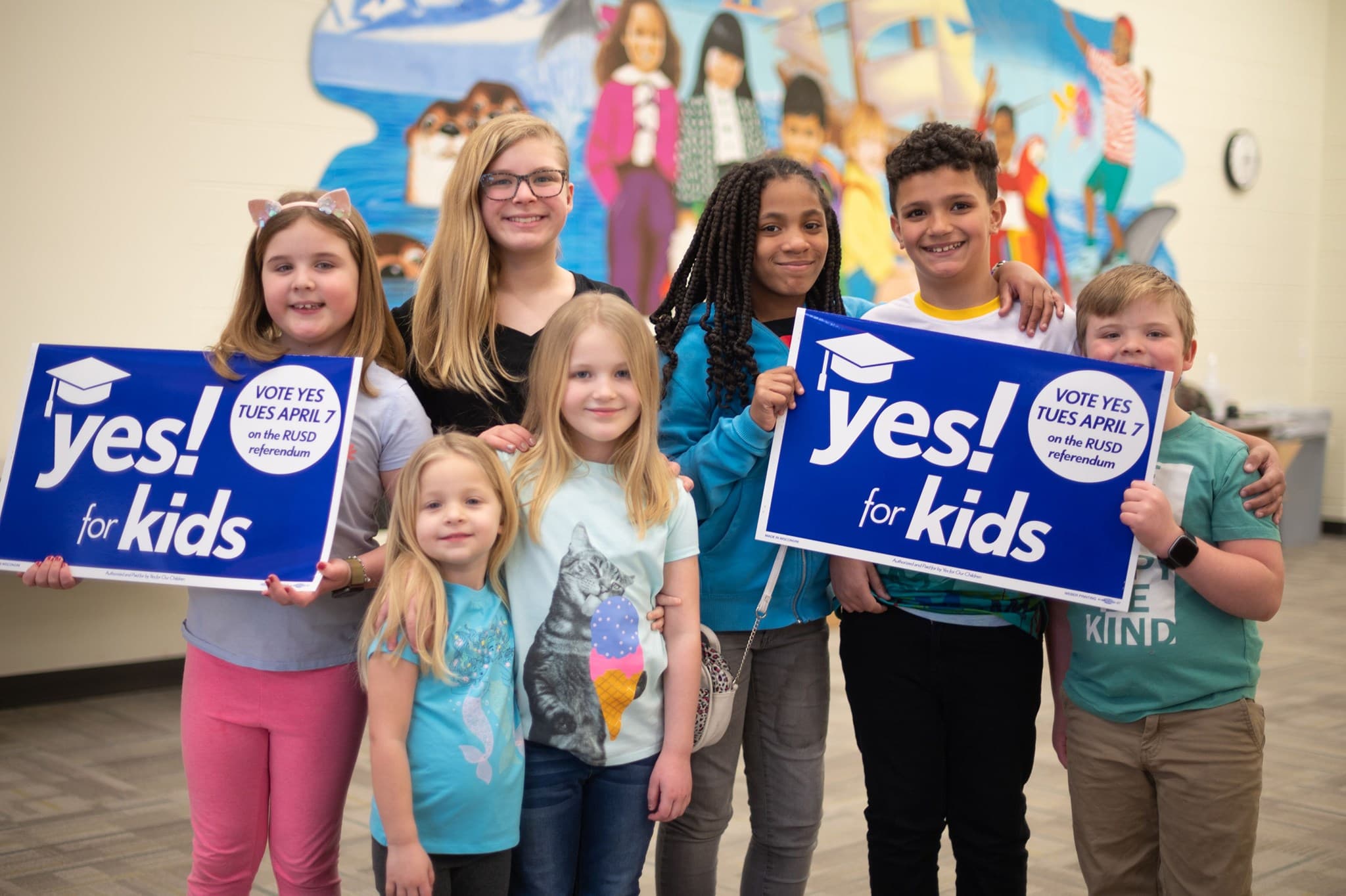
Photo: Vote Yes for Our Kids ballot initiative campaign in Wisconsin.
The Most Important Thing You Ever Do
We need to think of political change in the same part of our brains as many of us think about parenting: expensive, time-consuming, at times annoying as hell, and totally worth it. As responsible adults, we stretch ourselves and make an extraordinary lifelong commitment. We survive the hard parts. We grow and develop our character in the process. We are adults. Being a leader is a lot like being an adult. It is the decision to accept responsibility — come what may.
When your child turns 13 and has problems, you don’t say: “That child isn’t working very well. I’ll take a break from them for a couple of years and focus my energy on something else.” You double down. You show up for the child. You try everything. You recommit. The 2024 election is our child at 13. It’s time to double down. It’s gonna take the whole village to raise it.
Our 250-year-old child is worth it.
Being a responsible adult is not easy. But it’s what gives our lives purpose and meaning. As in the movie It’s A Wonderful Life, it’s often hard to see the impact of our own contributions in our lifetimes. The importance of all of our work is best understood in its absence. When we take our responsibilities for granted or assume that it is someone else’s job to hold our fragile democracy together … things can get very bad very quickly — as we have seen. We have already learned this lesson twice recently, and the second time has already been orders of magnitude worse. May we all do our part so that we don’t have to learn this terrible lesson a third time.
This isn’t a plea to fund MVP or any particular organization. There are truly hundreds of good local and national organizations that are collectively dividing the labor, each one playing an important role.
If you’re not sure which organizations to fund, ask for advice. Or go through a “mutual fund” that vets and supports a portfolio of organizations — MVP is one of them, but there are many other good options such as Democracy Alliance, Way to Win, Women Donors Action, Committee on States, Solidaire Action, Pro-Democracy Campaign, Strategic Victory Fund, Climate Equity Action Fund, Rural Democracy Initiative, Working Families Power, Popular Democracy, People’s Action, Community Change Action, America Votes, Resource Generation Action, Focus for Democracy, One for Democracy, Black Voters Matter, Alliance for Youth Action, Democracy Strategy Group, Force Multiplier, Walk the Walk, Flip the Vote, and others that redistribute funds strategically to a wide variety of initiatives.
Choosing imperfectly is infinitely better than letting the perfect be the enemy of the good.
I promise you, nothing you are doing or funding is more important. 2026 is our chance to win everything we can possibly win. Let’s “lock in” (as the kids say) and focus on the #1 thing that is most important to our collective future. It’s time to give big. It’s time to send impassioned testimonials — like this one — to everyone you know. It’s time to throw house parties and Zoom parties. It’s time to make five and ten-year commitments. It’s time to consider putting strategic political change in your estate plans if you haven’t already. Whatever you decide to do, find purpose and meaning in it. You don’t have to do this by yourself. Get started right away — and know from a larger perspective that this work is likely to be the most impactful thing you ever do.
Thank you for everything you have done over the years — and all that you do.
Let’s stand up and fight for our country.
This is our chance to win back everything we possibly can.
Let’s not blow it.